
 01
Design
Prepare original artwork to the supplier’s file specifications.
CHAPTER 01 / THE BUSINESS MODEL
Production follows demand. Explore how a digital design, a customer order and a production partner fit together.
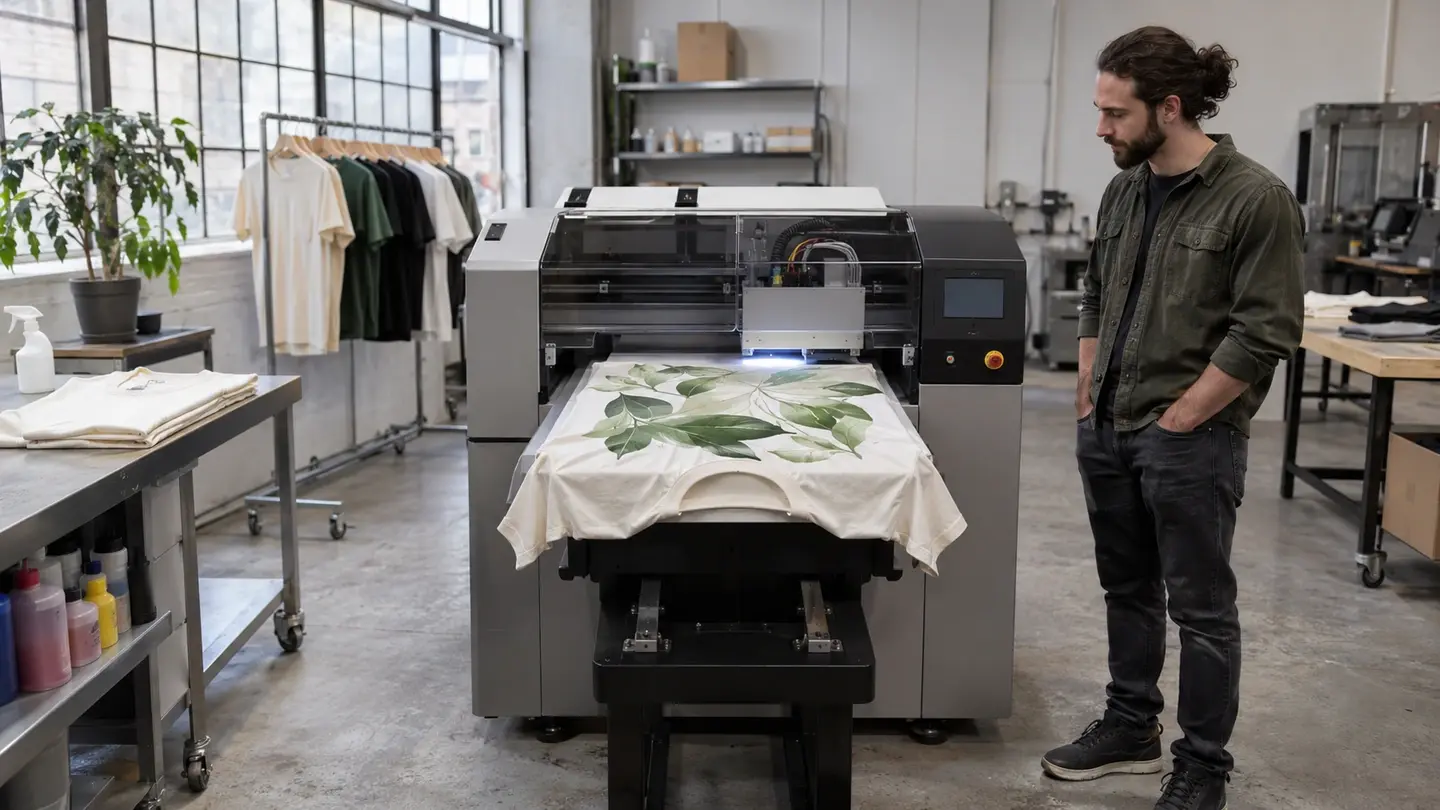
A POD seller makes a design available on a product and works with a supplier to fulfil individual orders. The supplier may handle printing, packing and delivery, depending on the agreement.
Unlike purchasing a large batch upfront, the cost of each item is usually incurred as orders arrive. A shop still has expenses and responsibilities: samples, fees, customer communication and returns all deserve attention.
01
Prepare original artwork to the supplier’s file specifications.
 02
Create a product listing with accurate images and delivery details.
 03
A customer places an order through your online shop.
 04
The production partner prints and dispatches the item.
THE PRACTICAL DIFFERENCES
| Consideration | Traditional retail | Print on Demand |
|---|---|---|
| Stock purchases | Usually purchased before sale | Items produced after an order |
| Storage | May require storage space | Usually managed by the supplier |
| Production | Before customer orders | After customer orders |
| Unit costs | May fall with bulk purchases | Depend on product and supplier |
| Quality control | Seller or partner checks goods | Seller checks samples and supplier performance |
QUALITY & RESPONSIBILITY
Order a sample to assess colour, print placement, material and packaging. Review the supplier’s handling of lost or damaged goods before taking orders.
Make the product description and estimated delivery information clear. Your customer relationship does not disappear simply because a partner handles production. Review the Australian consumer obligations that apply to your selling activity.
THE FREE HANDBOOK
Keep the seven steps, product ideas and cost considerations together as you plan your own store.