
 01
Design
Prepare original artwork to the supplier’s file specifications.
PRINT ON DEMAND / AUSTRALIA / 2026
Discover how print-on-demand works, what it takes to get started and how to turn an original design into a product customers can order.
THE FIRST CHAPTER / FROM DESIGN TO PRODUCT
 No stock purchased
upfront
 Practical
learningOriginal product
ideas
01 / THE BUSINESS MODEL
Print on demand connects an online shop with a production partner. Rather than buying a batch of products in advance, you publish designs on available items and the supplier makes each item after an order is placed.
You remain responsible for your offer, customer communication and the quality of the finished product. Compare how the two retail models handle the practical details.
 01
Prepare original artwork to the supplier’s file specifications.
 02
Create a product listing with accurate images and delivery details.
03
A customer places an order through your online shop.
 04
The production partner prints and dispatches the item.
02 / YOUR ROADMAP
Break the process into manageable decisions, from understanding your audience to reviewing the costs of selling. Work through each step at your own pace.
Explore all seven stepsStart with a specific interest or community rather than trying to appeal to everyone.
Consider how a design will sit on fabric, ceramic or a hard surface.
Work with artwork you created or have permission to use commercially.
Compare sample quality, production methods, dispatch locations and how damaged items are handled.
A hosted shop or marketplace can connect listings with a fulfilment partner.
Calculate production and shipping costs, platform and payment fees, advertising and applicable charges.
Choose a marketing channel that fits the audience.
03 / PRODUCT IDEAS
Different products suit different designs and customers. Explore the categories and choose a direction to investigate in more detail.


04 / THE CURRICULUM
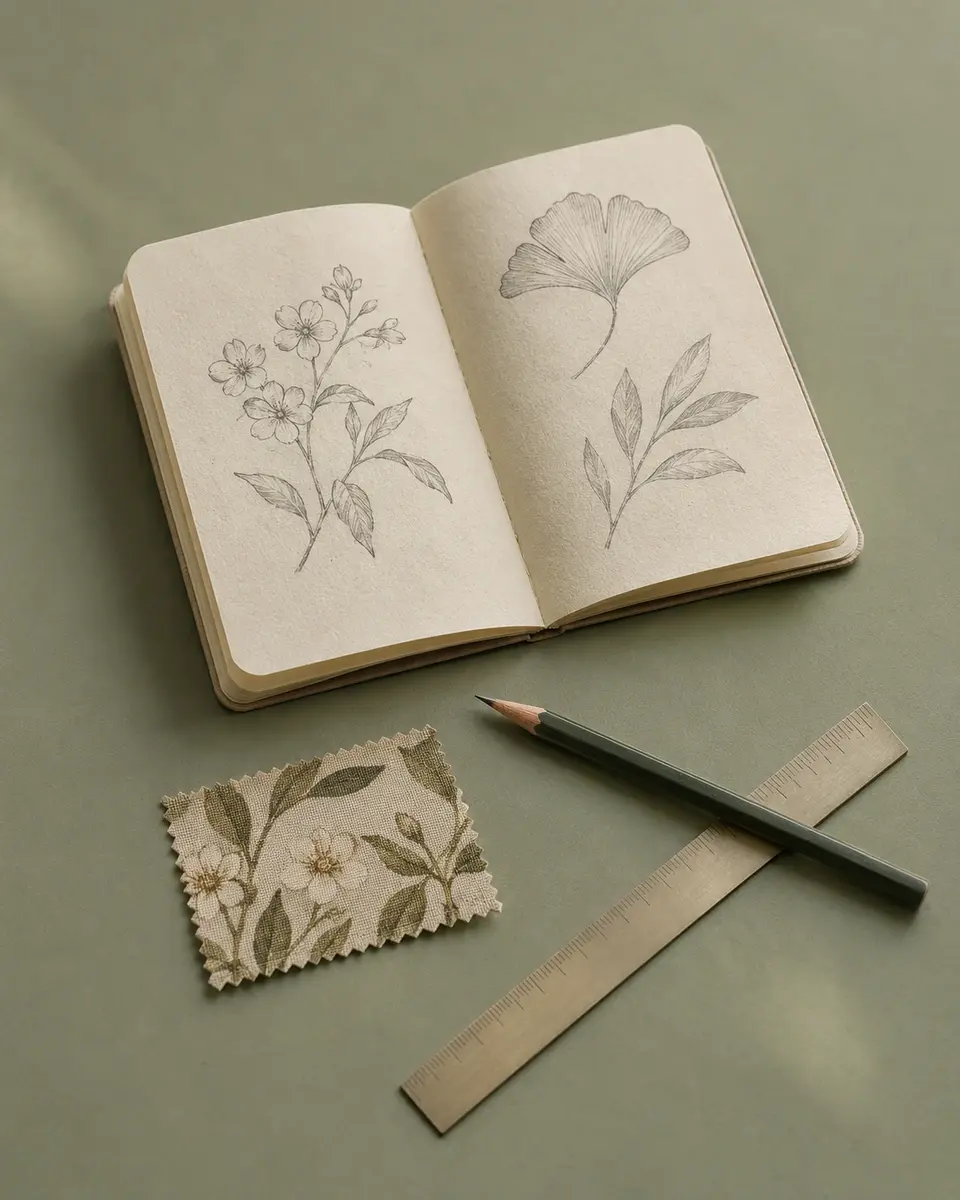
Study the choices behind a POD store, from artwork and pricing to fulfilment and promotion.
Explore the full curriculum →Follow the order from a digital listing to production and delivery. Learn how POD differs from keeping stock and from other supplier-fulfilled models.
Practical task: Map the responsibilities of the seller and production partner.
Compare interests, search patterns, existing offers and customer questions to assess a product idea. Look for a clear audience rather than treating popularity as proof of demand.
Practical task: Prepare a short audience and competitor research sheet.
Learn about print areas, resolution, colour, layout and original or licensed artwork. Review product samples before relying on listing images.
Practical task: Prepare and check a print-ready design file.
Review each consideration as you prepare for your POD journey.
FREE DIGITAL GUIDE
Explore the fundamentals of choosing a product, selecting a supplier and preparing an online store. Keep the practical steps together as you work through your ideas.
Yes. You can request the digital handbook without providing payment details.
A typical POD arrangement uses a production partner. You still need to choose products, check quality and manage customer expectations.
The handbook is intended for delivery to the email address provided with your request.