
CHAPTER 02 / YOUR ROADMAP
Seven steps to your first store.
An organised sequence of decisions makes it easier to see what needs to be researched, prepared and checked before publishing a product.
What can you improve without changing jobs? Here are seven steps that will take you from an idea to your first sale
- 01
Choose your niche
Start with a specific interest or community rather than trying to appeal to everyone. Read customer questions, compare existing products and look for a genuine design opportunity.
Try this: Write a short description of the audience and what it values.
Ready when: You can explain who the product is for and why it might appeal.
- 02
Select your products
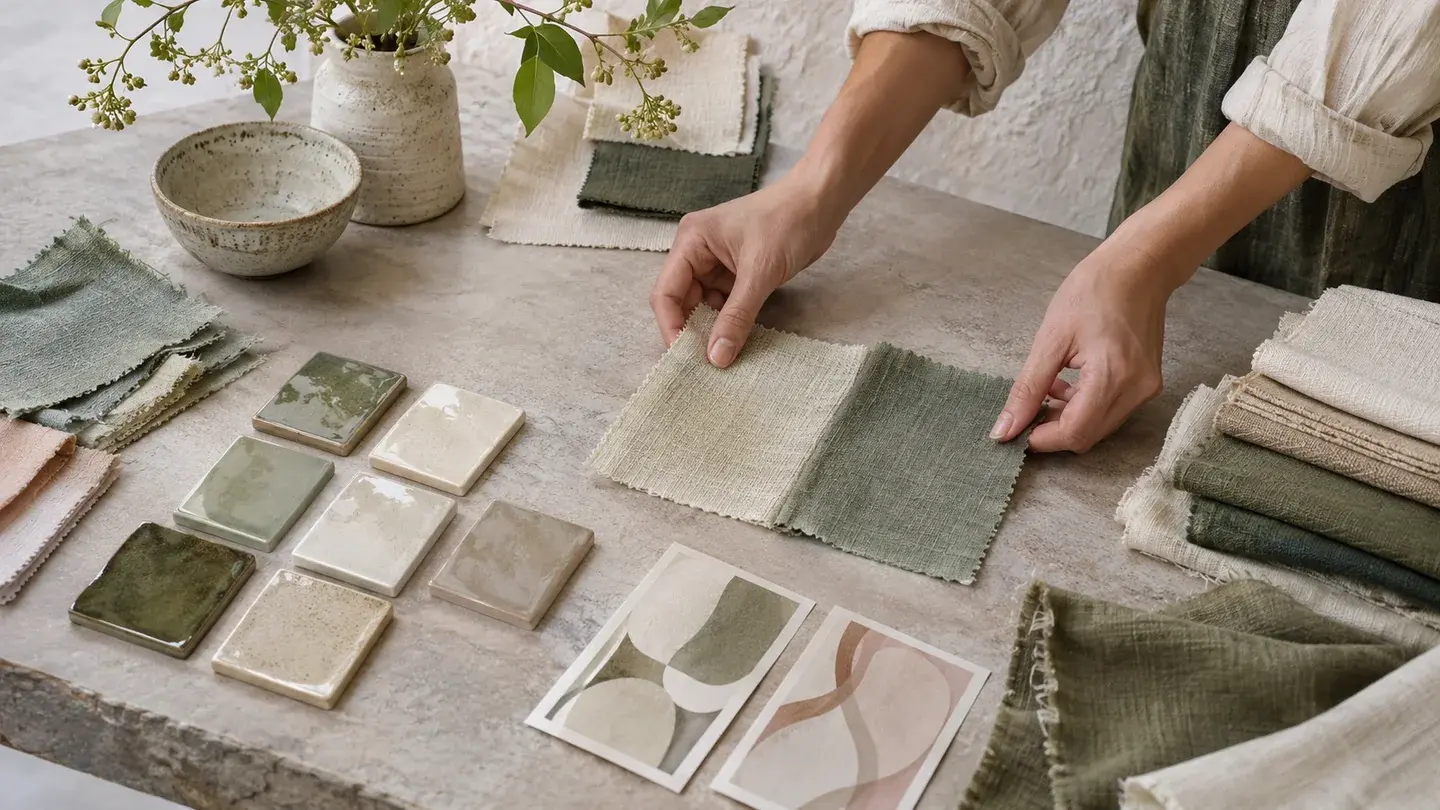
Consider how a design will sit on fabric, ceramic or a hard surface. Start with a manageable range and compare material, sizing, print areas and delivery options.
Try this: Shortlist products that suit the audience and order samples where possible.
Ready when: You have a clear shortlist and understand its practical limits.
- 03
Create original designs
Work with artwork you created or have permission to use commercially. Check file resolution, colour settings, print placement and bleed before uploading.
Try this: Prepare one design in the file format required by the supplier.
Ready when: The design meets the print specification and you hold the necessary rights.
- 04
Choose a supplier
Compare sample quality, production methods, dispatch locations and how damaged items are handled. For Australian buyers, check actual delivery coverage and expected transit times.
Try this: Compare supplier policies and test a sample order.
Ready when: You know the expected costs and how to raise a production issue.
- 05
Set up your store
A hosted shop or marketplace can connect listings with a fulfilment partner. Review the platform’s eligibility rules, fees and requirements for customer support.
Try this: Prepare a listing with accurate dimensions, materials and shipping information.
Ready when: The order workflow and customer information are clear.
- 06
Work out your margins
Calculate production and shipping costs, platform and payment fees, advertising and applicable charges. Allow for refunds, replacement orders and changes in supplier pricing.
Try this: Build a cost worksheet and review the amount left after expenses.
Ready when: You understand the potential margin and costs before publishing.
- 07
Promote your products
Choose a marketing channel that fits the audience. Test clear product photographs and descriptions; use actual feedback rather than assuming a campaign will sell.
Try this: Plan a small test and track traffic, conversions and cost.
Ready when: You can review the results and decide what to adjust without relying on a promised sale.
Understand the costs and obligations.
Before opening a shop, check applicable business registration, consumer rules and intellectual property requirements. If you are selling in Australia, look at the guidance relevant to your circumstances.
Set aside a budget for samples, platform fees and unforeseen costs. A POD supplier can reduce the need for storage, but it does not remove the need for financial planning or customer support.
THE FREE HANDBOOK
Take the next chapter with you.
Keep the seven steps, product ideas and cost considerations together as you plan your own store.